Decode Dog & Cat Temperament for Better Training
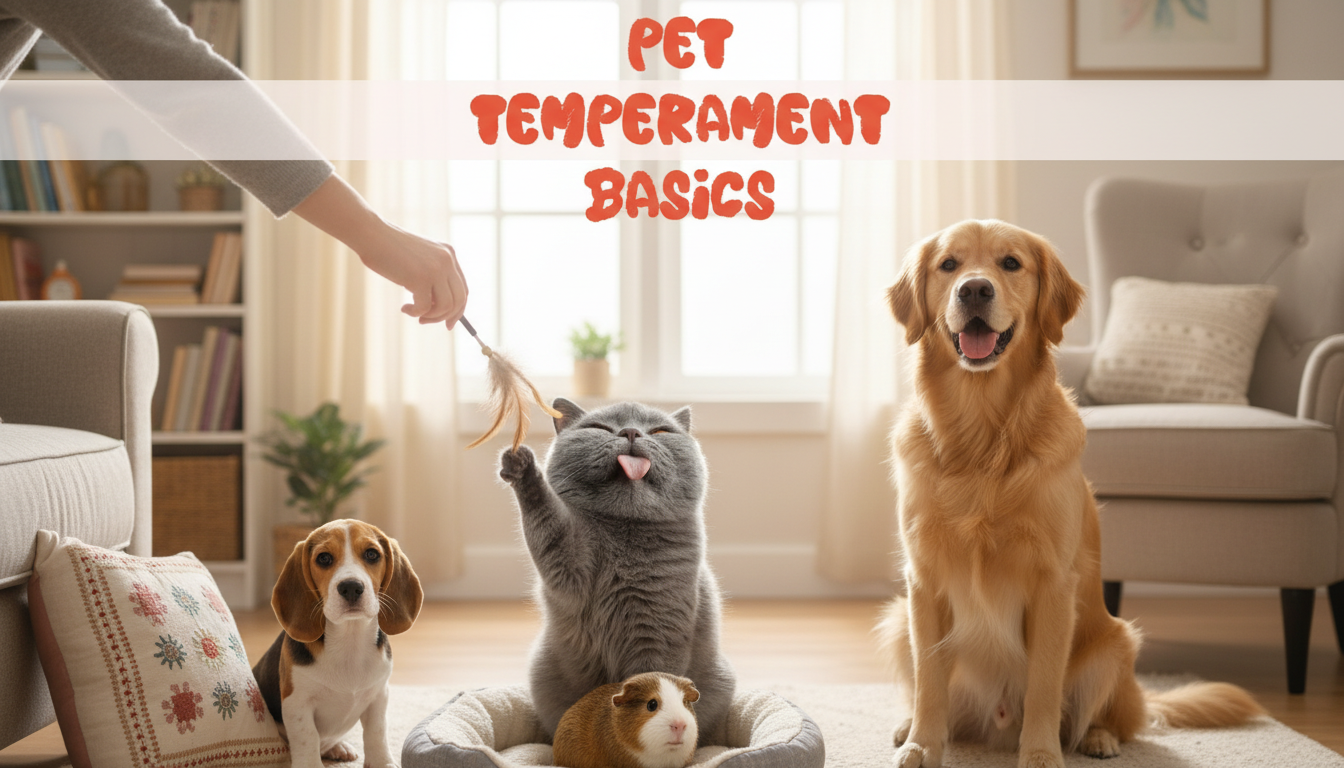
Understanding Your Pet’s Temperament: Decoding Dog and Cat Behavior for Better Care and Training
Temperament shapes how dogs and cats react to people, handling, noise, novelty, and change. Learning to read body language and patterns—rather than guessing “good” or “bad” behavior—helps prevent stress, supports safer interactions, and makes training more effective. Below are practical signals to watch for, what they often mean, and simple ways to respond so daily care and training feel easier for both you and your pet.
Temperament, personality, and behavior: what’s actually changing?
These terms get used interchangeably, but they describe different layers of your pet.
- Temperament: a pet’s baseline emotional style (for example: bold, cautious, sensitive). It tends to stay fairly consistent over time.
- Personality: temperament plus life experience—socialization, learning history, household routines, and what’s been rewarded or scary in the past.
- Behavior: the visible action in a specific moment. Behavior can change quickly with context, health, and reinforcement.
- Why it matters: training mainly changes behavior; thoughtful care and environment support temperament. Expectations fit the individual pet, not a stereotype.
The biggest drivers of behavior: context, needs, and health
- Context cues: who is present, distance to triggers, noise level, time of day, and what happened last time (reward or punishment) can flip behavior fast.
- Unmet needs: exercise, play, enrichment, scratching/chewing outlets, sleep, safe hiding spots, and predictable routines can be the difference between “calm” and “chaotic.”
- Pain and illness can mimic “attitude”: sudden irritability, hiding, aggression during handling, house-soiling, or reduced play can signal discomfort.
- Rule of thumb: if behavior changes quickly, is intense, or feels out of character, consider a veterinary check alongside training steps.
For evidence-based training and welfare guidance, see the American Veterinary Society of Animal Behavior (AVSAB) position statements.
Dog body language: reading the full picture
Single signals can mislead. Aim to read clusters: ears, eyes, mouth, posture, tail set/motion, and movement together.
Relaxed/comfortable
- Loose body, soft eyes, normal breathing
- Balanced weight, “wiggly” movement
Stress signals (often subtle)
- Lip licking, yawning when not tired
- “Whale eye” (white of the eye showing), sudden sniffing, shaking off
- Pacing, or refusing food in situations where treats are usually easy
Fear/uncertainty
- Lowered body, tucked tail, avoidance
- Freezing, scanning, leaning away, sudden bolting
Overarousal
- Jumping, mouthing, spinning, barking
- Can’t disengage even when asked
Overarousal often improves with decompression and quieter outlets (sniffing, chewing, simple pattern games), not more hype.
Cat body language: subtle signals that change everything
Cats commonly communicate with distance. Moving away, hiding, or choosing higher perches is information—not “stubbornness.” For a deeper cat-focused perspective, International Cat Care’s cat behavior resources are a strong reference.
Relaxed/affiliative
- Slow blinks, upright tail with a gentle curve
- Loose posture, kneading, choosing to sit near you
Stress signals
- Flattened ears, wide pupils, low crouch
- Tail twitching/lashing, sudden grooming, leaving the area
Fear/defensive
- Freezing, hissing, growling, swatting
- Puffed coat, arched back
When cats show defensive signals, avoid forcing contact. Increase safe space and let the cat decide when interaction resumes.
Play vs. predatory arousal
Stalking and pouncing can be normal play. Rough bites and scratches often improve with structured interactive play (wand toy, chase, “catch,” then a clear end-of-play routine with a treat or food puzzle).
Quick reference: common signals and what to do next
| Signal | Most likely meaning | Helpful response |
|---|---|---|
| Dog: lip lick/yawn (in a busy setting) | Stress or uncertainty | Pause interaction, increase distance, reward calm checking-in |
| Dog: stiff posture + hard stare | Discomfort; possible escalation | Stop approach, create space, redirect with calm cue and treat scatter |
| Cat: tail lashing + ears sideways | Overstimulated or irritated | End petting, allow choice to leave, offer enrichment later |
| Cat: hiding more than usual | Stress, pain, or environmental change | Check health, add safe hiding spots, keep routine stable |
| Both: freezing | High concern; conflict about next move | Do not force contact; reduce pressure and increase distance immediately |
| Both: sudden aggression during touch | Possible pain or handling sensitivity | Vet check; start cooperative care training with tiny steps |
Matching care and training to temperament
Training that supports emotional safety
For additional dog training basics, the ASPCA dog behavior and training library is a helpful starting point.
Common temperament challenges and practical fixes
When professional support is the safest next step
A practical guidebook for decoding temperament day to day
Pattern-spotting gets easier with structure: note triggers, body language, recovery time, and the rewards that actually work in the moment. For step-by-step exercises that support calm behavior, socialization, and cooperative care across both species, see Understanding Your Pet’s Temperament: A Complete Guide to Decoding Dog and Cat Behavior for Better Care and Training.
If schedules are tight, a simple planning system can make it easier to stay consistent with short training sessions and enrichment routines. More Time, Less Stress: Time Management Mini-Course can help build a realistic routine that supports your pet’s progress without adding chaos to your day.
FAQ
How can temperament be identified without labeling a pet as “good” or “bad”?
Watch patterns across situations like novelty, handling, noise, and other animals, then note baseline arousal, recovery time, and whether your pet tends to approach, avoid, or freeze. Temperament describes a style of responding, not a moral category.
What’s the fastest way to tell if a dog or cat is stressed?
Look for clusters: dogs often show lip licking, yawning, whale eye, stiffness, and refusing food; cats commonly show tail lashing, ears back/sideways, wide pupils, crouching, and hiding. When you see these, create space and lower intensity right away.
Should behavior changes be treated as a training problem or a health problem?
Sudden changes—especially new aggression, handling sensitivity, house-soiling, reduced appetite, or less play—deserve a vet check to rule out pain or illness. Training and management can run in parallel, but health needs to be addressed first when suspected.












Leave a comment